Mini beast hunt in the woods: city family guide
Plan a mini beast hunt in the woods near Manchester, London, Bristol, Cardiff or Edinburgh. Easy kit list, best spots, and kid-friendly tips.
Mini beast hunt in the woods: a city family guide (that actually works)
Got half an hour before someone gets bored, hungry, or “needs a wee”… and you still want a proper outdoor win?
A mini beast hunt in the woods is one of those rare activities that feels like an adventure, needs hardly any kit, and works brilliantly even if you live in a big city. You don’t need to drive to the Highlands. You just need a patch of woodland with damp leaves, logs, and a bit of patience.
This guide is for families in Manchester, London, Bristol, Cardiff and Edinburgh who want simple, realistic ideas for kids aged 3–14.
What is a mini beast hunt (and why kids love it)?
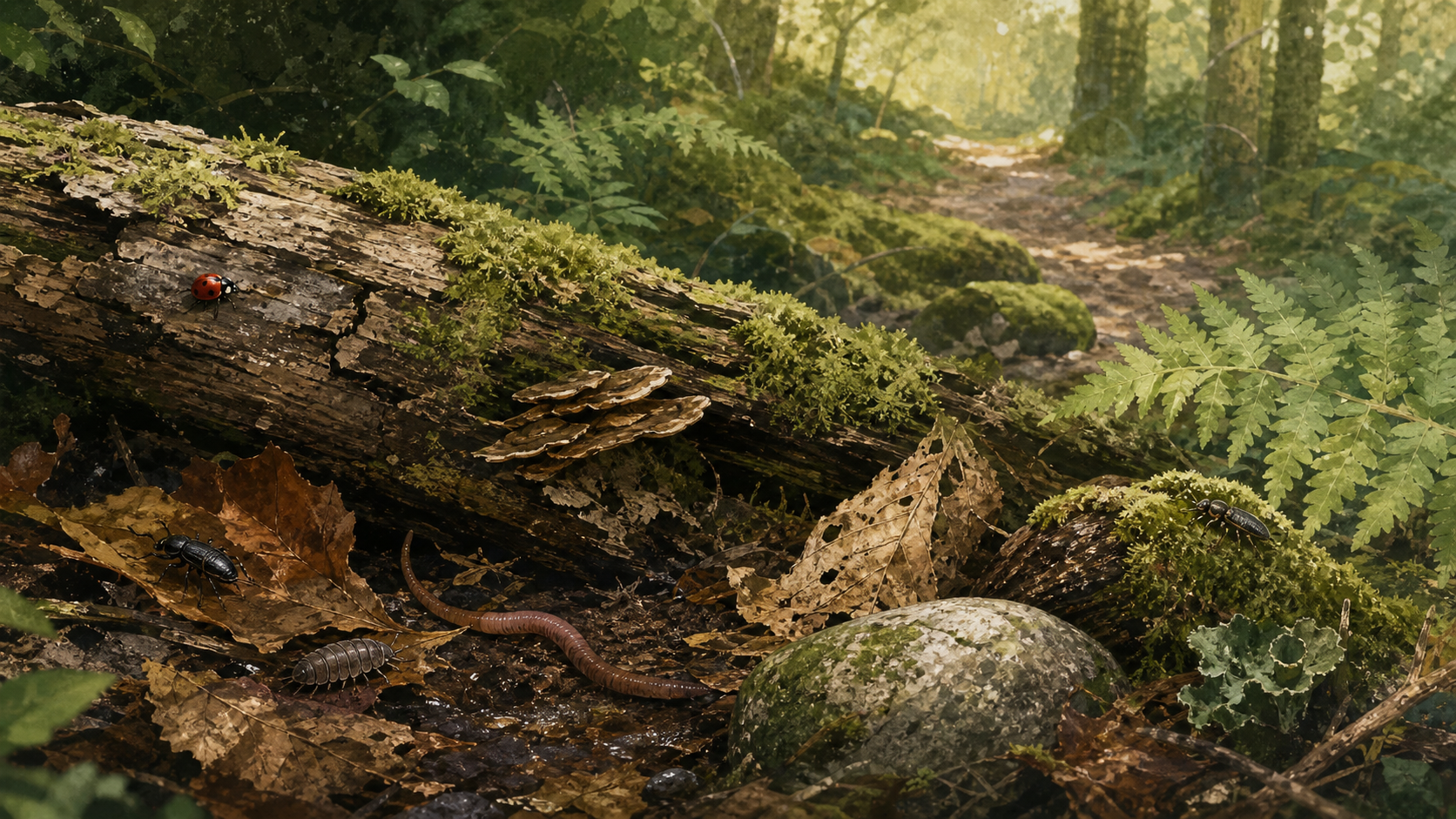
Mini beasts are the small creatures you can find in leaf litter, under logs, near ponds, and along woodland paths. Think: woodlice, beetles, worms, spiders, slugs, ants, ladybirds, and (if you’re lucky) newts and dragonfly larvae near water.
For kids, it’s basically a treasure hunt.
For parents, it’s walking… without it feeling like walking.
Age suitability (realistic expectations)
- Ages 3–5: Keep it short. Focus on “find three creatures” and big, obvious spots (logs, stones, muddy edges).
- Ages 6–9: They’ll happily do a longer loop. Add a checklist, simple ID tips, and a “build a bug hotel” moment.
- Ages 10–14: Give them a challenge. Timed surveys, sketching, photos for ID later, or comparing habitats (dry path vs pond edge).
What to bring for a mini beast hunt in the woods
You can do this with nothing but curiosity. But a few bits make it smoother.
The no-faff mini beast kit list
- Small tub or bug viewer (even a clean yoghurt pot works)
- Magnifying glass (optional, but a big hit)
- A4 sheet of paper or a light-coloured tray (to spot tiny creatures)
- A soft paintbrush (for gently moving tiny insects without squishing)
- Wet wipes / hand gel
- Plasters (brambles always find someone)
- Snack + water (this is not optional in parenting terms)
- Spare socks for younger kids (mud happens)
What to wear
- Long sleeves/trousers if you can (brambles and nettles)
- Wellies after rain, trainers in dry spells
- A light raincoat. British woodland weather loves surprises.
What to expect (so you don’t feel like you’re “doing it wrong”)
Most mini beasts are hiding. The first five minutes can feel like “there’s nothing here”.
Then someone turns over a log (carefully), and suddenly it’s:
“WOODLICE!” “A WORM!” “That one has loads of legs!”
Aim for 30–60 minutes for under-7s.
For older kids, you can stretch it into a full morning with a picnic.
Mini beast hunt rules (kid-friendly and nature-friendly)
Keep it simple. Three rules is plenty.
- Look, don’t harm. We’re visitors in their home.
- Lift, then put back. Replace logs and stones exactly how you found them.
- Hands off faces. Wash hands before snacks.
If you find frogs, toads, or newts: enjoy a look, then let them be. Amphibians have delicate skin.
Where to look: the best woodland micro-habitats
If you only remember one thing: damp + cover = mini beast magic.
Easy hotspots to try
- Under logs and fallen branches (woodlice, beetles, centipedes)
- Leaf litter (spiders, worms, tiny beetles)
- Rotting wood (fungi, beetles, sometimes slugs)
- Base of old trees (lots of shelter and moisture)
- Ponds and streams (dragonflies, pond skaters, larvae, tadpoles)
If you’re using Glade, look for woodlands tagged pond/stream or ancient woodland. Older woods often have richer leaf litter and more varied habitats, which usually means more to find.
City-by-city: woodland spots for mini beast hunting
You don’t need “deep wilderness”. You need accessible woodland, ideally with water, shaded paths, and some messy corners where nature is doing its thing.
Manchester (and nearby)
- Heaton Park (Manchester): Big parkland, wooded areas, and water nearby. Great for younger kids because there’s loads of “plan B” if energy dips.
- Fletcher Moss Park & Didsbury Woods: River edges and woodland paths. Brilliant for spotting near damp ground.
- Dunham Massey (Trafford): Woodland and estate walks with plenty of leaf litter and old trees.
Tip: after rain, try the edges of paths where leaves collect. That’s prime woodlouse territory.
London
- Epping Forest (NE London/Essex): Proper ancient woodland feel. Great for older kids who want “real forest”.
- Hampstead Heath (North London): Woodland pockets plus ponds. Good variety in a small area.
- Richmond Park & Isabella Plantation: Wooded areas, streams, and lots of shady spots.
London tip: go early. Fewer bikes, fewer crowds, more time to poke around without feeling in the way.
Bristol
- Ashton Court Estate: Woodland trails and lots of space for kids to roam.
- Leigh Court: Gorgeous woodland, especially good for leaf litter and old trees.
- Oldbury Court Estate: River and woodland mix, ideal for “land + water” mini beast hunting.
Bristol tip: bring a picnic. These places are perfect for a mid-hunt snack break.
Cardiff
- Bute Park & Arboretum (city centre): Shockingly good for wildlife given how central it is. River edges help a lot.
- Forest Farm Nature Reserve: Brilliant for variety, with wetland areas nearby.
- Heath Park: Bigger woodland feel, great for longer family walks.
Cardiff tip: kids love comparing habitats. Try one search near the river, then one deeper into the trees.
Edinburgh
- Hermitage of Braid & Blackford Hill: Woodland paths and a stream. Great “feel like you’re out of the city” spot.
- Craiglockhart Dell: Sheltered woodland with water nearby.
- East Meadow Park: Woodland trails and plenty of spots for leaf litter hunts.
Edinburgh tip: on cooler days, look under logs and in leaf litter where it stays warmer and damp.
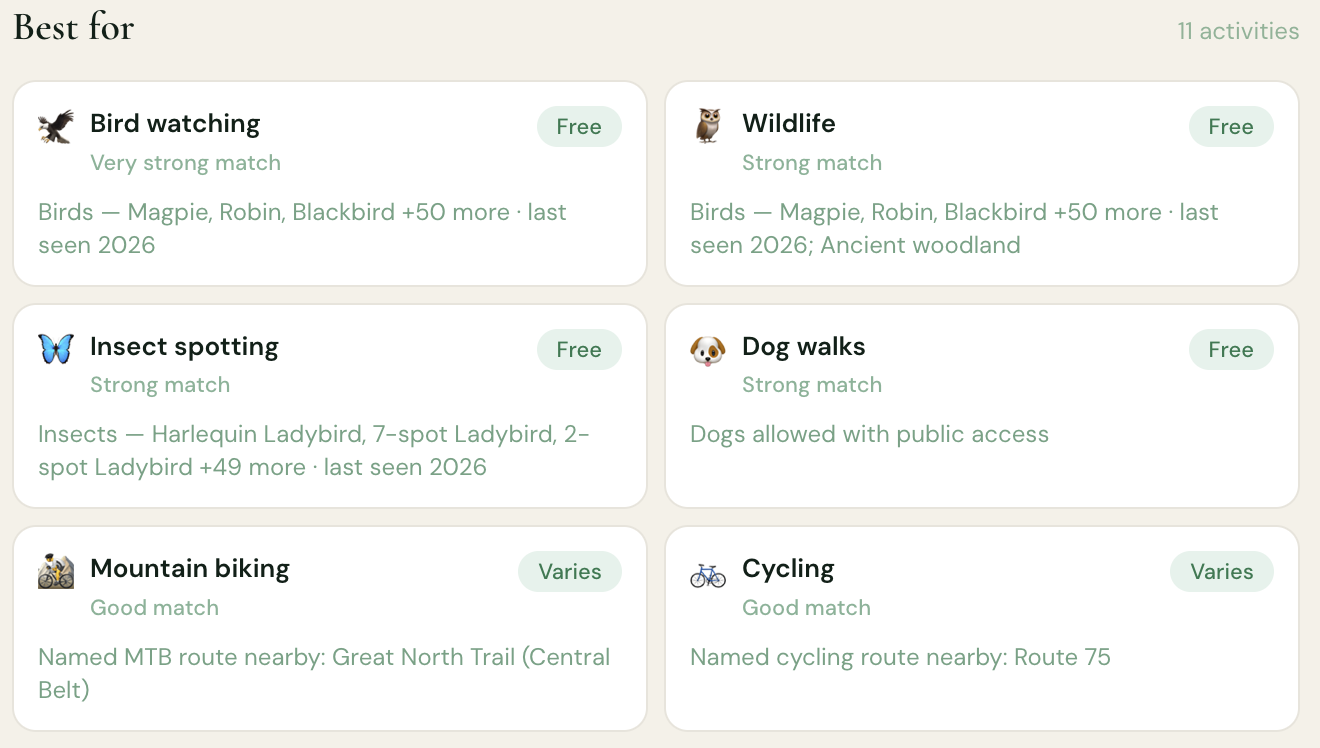
Want the easiest way to find places like these? Use Glade to filter for woodlands near you, then look for tags like pond/stream or ancient woodland to boost your chances.
Be sure to checkout whats best for each location:
A simple 30-minute mini beast hunt plan (no prep needed)
This is the one to use on a busy weekend.
Minute 0–5: Set the challenge
Pick one:
- “Find three different mini beasts.”
- “Find something with 0 legs, 6 legs, and more than 6 legs.”
- “Find two creatures and one sign of an animal (feather, shell, tracks).”
Minute 5–20: Search two habitats
Do one dry-ish area (path edge, leaf litter).
Then one damp area (shaded leaves, near water, under logs).
Minute 20–30: Create a tiny “field journal”
- Draw one mini beast each.
- Or take a photo and name it later.
- Or make up a “mini beast top trumps” score: speed, armour, gross factor, stealth.
Finish with a snack. Always finish with a snack.
What you might find (and how to talk about it)
You don’t need perfect ID. Curiosity beats correctness.
Common finds
- Woodlice: Not actually insects. They’re crustaceans. (Kids love this fact.)
- Earthworms: The soil heroes. Great for chatting about compost and gardens.
- Ants: Follow a trail. Instant entertainment.
- Spiders: Many kids are nervous. Try “we’re just watching” and keep it calm.
- Slugs and snails: Easy to find after rain. Great for younger kids.
Near ponds and streams
- Pond skaters: Look for movement on the surface.
- Dragonflies/damselflies: Adults in summer, larvae in water.
- Tadpoles (seasonal): Spring is best.
If you’re anywhere near water, supervise closely. You know your child. Choose a spot with gentle edges and good visibility.
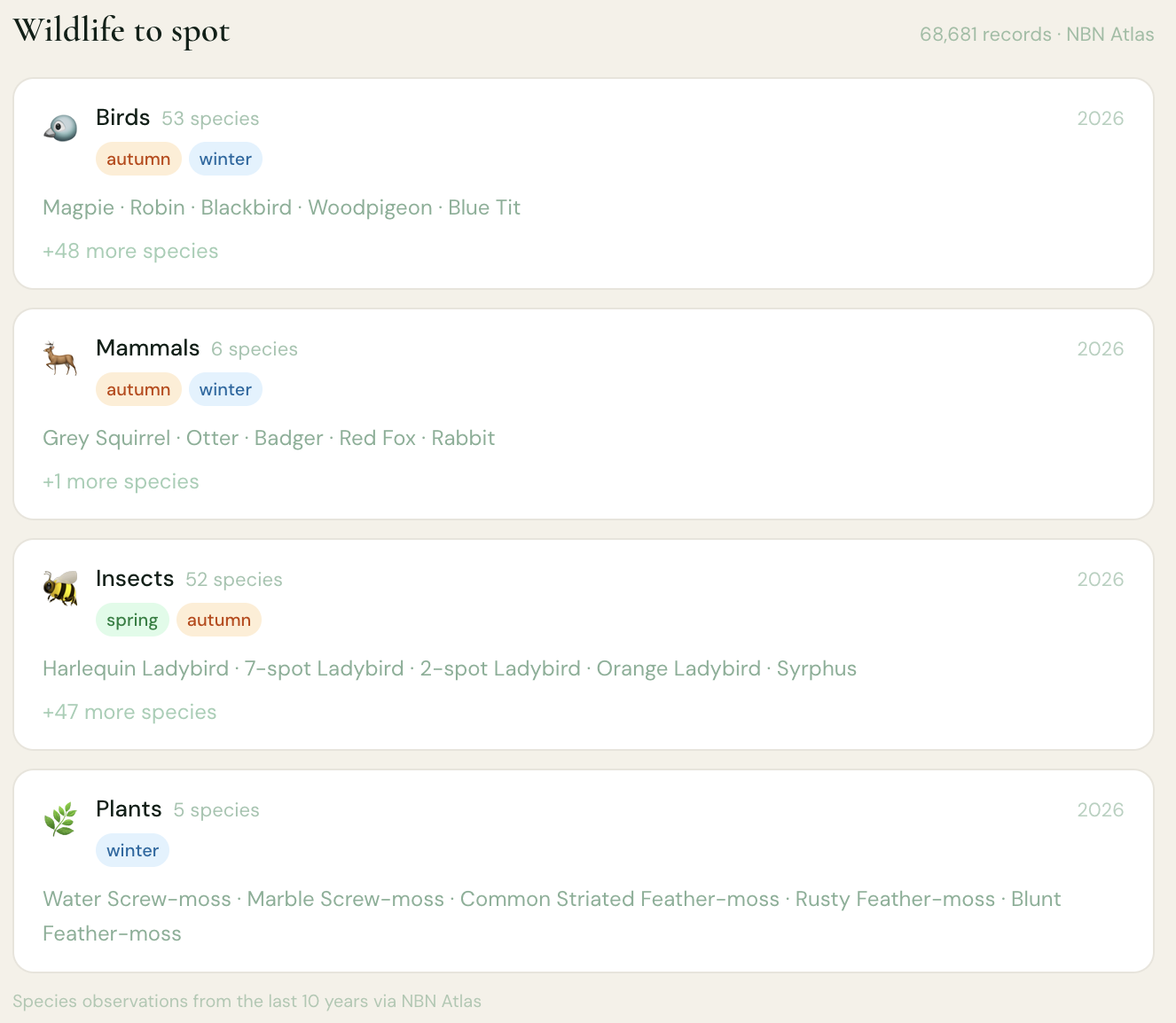
Each location has a "Wildlife to spot" section that gives you a quick idea of what mini beasts are likely to be found there, based on the habitats present. This can help you set expectations and get kids excited about what they might find before you even head out.
Seasonal tips (UK-specific)
Spring (March–May)
A great time for a mini beast hunt in the woods. More activity. More damp leaf litter. Look for tadpoles near ponds.
Summer (June–August)
Brilliant for butterflies and dragonflies. Go earlier in the day when it’s cooler. Bring water and sun cream.
Autumn (September–November)
Leaf litter season. Loads to find under damp leaves. Also a great time for fungus-spotting alongside mini beasts.
Winter (December–February)
Still doable, just slower. Look under logs and deep leaf litter. Keep it short and warm up with a hot chocolate after.
Make it easier next time (save your future self)
If you find a woodland that works, keep it in your back pocket. The best family spots are the ones you can repeat without thinking.
On Glade, you can search locally and head straight to places that match your child’s vibe: short paths, water features, ancient woodland, or wide buggy-friendly tracks. (And if today goes brilliantly, you’ll want an easy “same again” option.)
Try it this weekend: your mini-beast mission
Pick one woodland near you.
Bring one tub, one snack, and one tiny challenge.
Then see what turns up.
If you want a quick way to find the right spot near Manchester, London, Bristol, Cardiff or Edinburgh, head to Glade and look for wildlife spotting locations and woodlands tagged pond/stream or ancient woodland.
Find your forest: getglade.co.uk (CTA link placeholder)
Was this guide helpful?